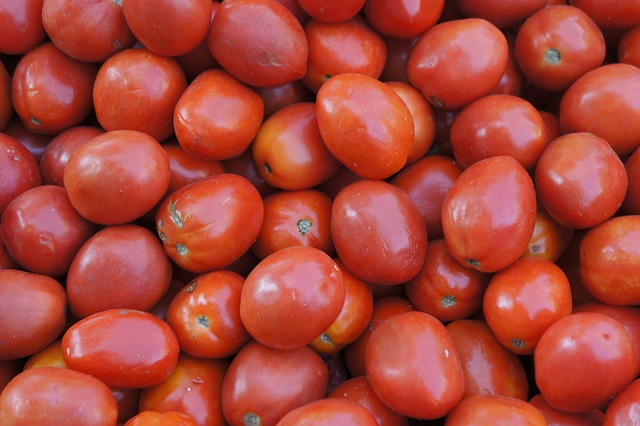
Local food delivery services, focusing on meal preparation and using local ingredients, are reshaping urban dining. This trend supports sustainable farming, enhances food security, and promotes healthier eating habits. By prioritizing environmental practices like minimal packaging, these services reduce carbon emissions while fostering community connections. The growing demand has led to a shift in consumer preferences, encouraging farmers to adapt eco-friendly methods and diversifying agricultural businesses. Consumers are now supporting local farms, contributing to a circular economy, and enjoying tastier, healthier food options.
Local food delivery services are revolutionizing the way we access fresh, locally sourced produce. In this article, we explore the burgeoning trend of local food delivery as a powerful tool to support nearby farms and thriving communities. We delve into its multifaceted benefits, from promoting sustainable meal preparation practices to shaping consumer demand and encouraging environmentally conscious agricultural choices. Get ready to discover how this modern convenience contributes to a vibrant and resilient food ecosystem.
- The Rise of Local Food Delivery Services
- Benefits for Local Farms and Communities
- Sustainable Practices in Meal Preparation
- Consumer Demand and Its Impact on Agriculture
The Rise of Local Food Delivery Services
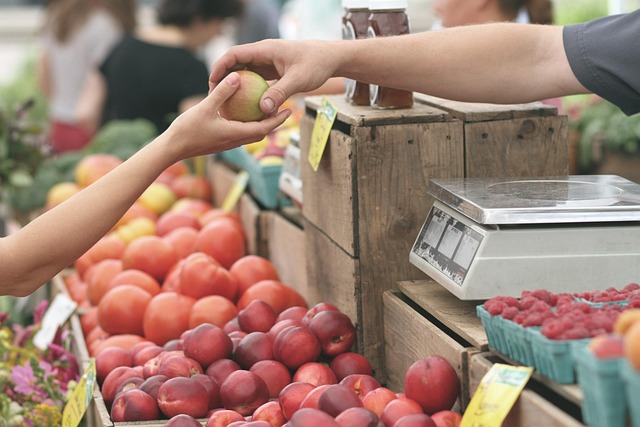
The convenience and popularity of local food delivery services have skyrocketed in recent years, driven by evolving consumer preferences for fresh, locally sourced ingredients. This trend has been further fueled by advancements in technology, enabling seamless communication between farmers, restaurants, and customers through dedicated apps and platforms. The rise of these services not only caters to the busy lifestyles of urban dwellers but also fosters a direct connection between consumers and local farms.
Meal preparation, a key component of local food delivery, has become an art form, with chefs meticulously curating dishes that highlight seasonal produce. This shift towards local sourcing not only supports sustainable farming practices but also enhances the overall dining experience by offering authentic, flavorful meals prepared with care. As consumers become more conscious of their dietary choices and environmental impact, local food delivery services play a pivotal role in shaping a healthier and more sustainable food culture.
Benefits for Local Farms and Communities
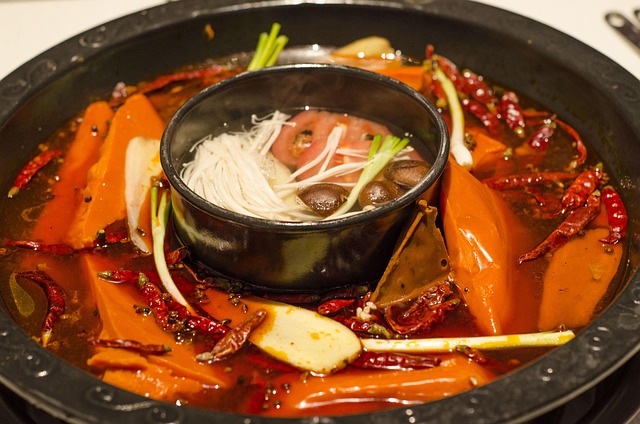
Local food delivery services, particularly those that also offer meal preparation, present a double-pronged advantage for both local farms and communities. For farms, this model provides a guaranteed market for their fresh produce, fostering sustainability by encouraging year-round cultivation and reducing waste. By partnering with local delivery services, farmers can bypass middlemen, ensuring they receive fair prices for their crops and fostering economic growth within the community.
Additionally, these services enhance food security by making nutritious meals more accessible to residents, especially those in urban areas or with limited mobility. Meal preparation components further benefit communities by saving time for busy individuals and families while promoting healthier eating habits. This symbiotic relationship not only supports local agriculture but also strengthens the social fabric of the community through increased access to wholesome food options.
Sustainable Practices in Meal Preparation

Sustainable practices in meal preparation are a cornerstone of local food delivery services, ensuring that fresh, locally sourced ingredients are handled with care throughout the culinary process. These practices promote environmental stewardship by minimizing waste and conserving resources. Chefs and cooks involved in local food delivery often employ creative strategies to reduce food mileage, such as using seasonal produce and sourcing ingredients from nearby farms. This approach not only cuts down on carbon emissions but also supports the local economy, fostering a stronger connection between consumers and their communities.
Moreover, sustainable meal preparation involves responsible use of packaging materials, with many local food delivery services opting for recyclable or compostable containers to further reduce environmental impact. By prioritizing eco-friendly practices in meal preparation, these services contribute to a holistic approach to sustainability, bridging the gap between farm and table while offering delicious, nutritious meals to customers.
Consumer Demand and Its Impact on Agriculture
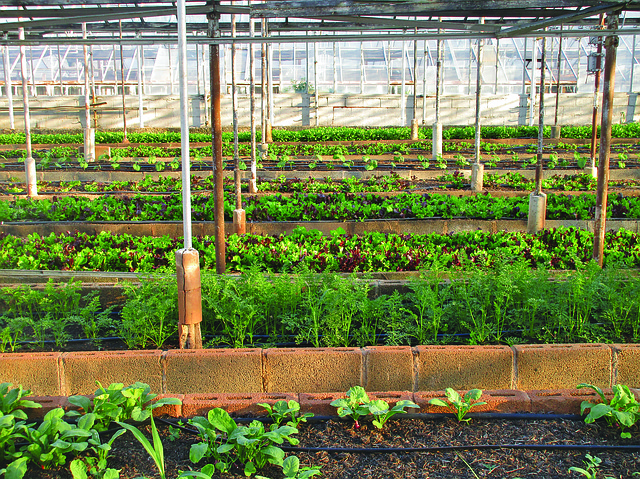
In recent years, there’s been a notable shift in consumer preferences, with an increasing demand for local food delivery services. This trend has had a profound impact on agriculture, encouraging farmers to adapt their practices and focus more on producing high-quality, locally sourced ingredients. The convenience of meal preparation and the desire for fresh, sustainable food have driven this change. Consumers are not only seeking out tastier, healthier options but also supporting local farms and contributing to a circular economy. This shift has prompted many agricultural businesses to reevaluate their strategies, diversifying their crops and implementing eco-friendly farming methods to meet the demands of the local food delivery market. As a result, we’re witnessing a vibrant connection between communities and their food sources, fostering a healthier and more sustainable relationship with agriculture.
Local food delivery services have not only facilitated easier access to fresh produce but also fostered a vital connection between consumers and local farms. By embracing these services, communities can promote sustainable agricultural practices and support local economies. As consumer demand for local and sustainable foods continues to grow, meal preparation methods that prioritize regional ingredients and eco-friendly approaches will become increasingly important. Local food delivery is thus not just a trend but a movement that promises to revolutionize the way we think about and interact with our food systems.