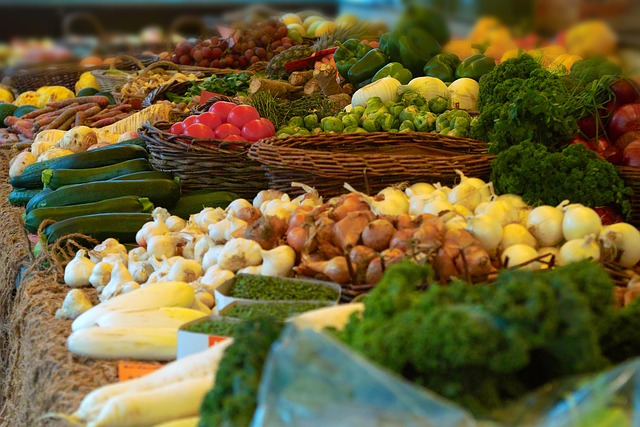
Local Food Delivery and Meal Preparation services revolutionize access to fresh, local produce and diverse cuisine. They promote sustainable agriculture, reduce carbon emissions, support local farmers' economies, and celebrate regional culinary diversity by fostering direct connections between producers and consumers. These platforms enhance food security, strengthen community bonds, and contribute to building resilient, self-sustaining communities through reduced food waste and enhanced local economic growth. Consumer choices that prioritize these services significantly impact sustainability, supporting small-scale farmers and minimizing environmental footprints.
Local food delivery services are revolutionizing the way we access fresh produce, directly connecting farmers with consumers. This article explores the multifaceted impact of local food delivery, from understanding its environmental benefits to dissecting the challenges in meal preparation. We delve into how these services strengthen communities and promote sustainable food systems. Additionally, we examine consumer choices, highlighting their role in fostering a healthier, more resilient agricultural landscape through conscious decisions.
- Understanding the Impact of Local Food Delivery
- Benefits for Farmers and Communities
- Building Sustainable Food Systems
- Challenges and Solutions in Meal Preparation
- Consumer Choices and Their Effectiveness
Understanding the Impact of Local Food Delivery
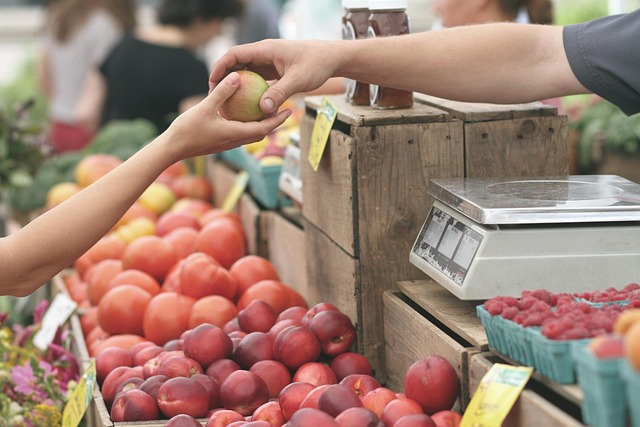
Local food delivery services are revolutionizing the way we access fresh produce and delicious meals prepared by local farmers and chefs. By prioritizing local food delivery and meal preparation, these platforms not only offer convenience to consumers but also have a significant positive impact on both communities and the environment.
This modern approach encourages sustainable agricultural practices, reduces carbon footprints associated with long-distance transportation of foods, and fosters economic growth among local farmers. Furthermore, it promotes culinary diversity by highlighting regional specialties and supporting small businesses in the meal preparation sector. The direct connection between producers and consumers enhances food security and creates a stronger bond within the community.
Benefits for Farmers and Communities

Local food delivery services, especially those focusing on meal preparation, offer a multitude of benefits for both farmers and communities. For farmers, this platform provides an excellent opportunity to connect directly with consumers, bypassing traditional distribution channels. This direct-to-consumer approach allows farmers to command better prices for their produce, ensuring sustainability and profitability. Moreover, it fosters a stronger relationship between the farm and the local community, promoting a deeper understanding of where food comes from and encouraging support for local agriculture.
In communities, local food delivery services enhance accessibility to fresh, locally sourced meals. They offer convenience, especially for individuals with busy lifestyles or limited mobility. By supporting local farms, these services contribute to strengthening regional food systems, reducing the carbon footprint associated with long-distance transportation of food, and fostering a more resilient and self-sustaining community.
Building Sustainable Food Systems

Building sustainable food systems is a key benefit of local food delivery services that focus on meal preparation using locally sourced ingredients. By prioritizing local farms, these platforms reduce the carbon footprint associated with long-distance transportation of food items. This not only minimizes environmental impact but also supports the economic vitality of nearby agricultural communities. Furthermore, encouraging local production and consumption creates a circular economy where surplus produce can be efficiently utilized, reducing food waste.
Meal preparation services that emphasize fresh, locally grown ingredients contribute to this sustainability by utilizing seasonal produce, which is often more abundant and nutritionally dense. This approach ensures that the food delivered to customers’ doors not only tastes better but also has a lower environmental cost. Moreover, supporting local farms fosters a sense of community, strengthens local economies, and encourages a diverse range of agricultural practices, ultimately leading to a more robust and resilient food system.
Challenges and Solutions in Meal Preparation

The local food delivery industry is revolutionizing the way we access fresh, locally sourced meals, but it comes with unique challenges in meal preparation. One significant hurdle is balancing the demand for diverse, customizable menus while ensuring efficient production. Local farms often struggle to meet the consistent, large-scale production requirements of delivery services, especially during peak seasons when both farmers and chefs are stretched thin.
However, innovative solutions are emerging. Collaborative efforts between local farms, community supported agriculture (CSA) programs, and delivery platforms create stable supply chains. Pre-planned menus and subscription models allow for better inventory management and efficient meal preparation. Additionally, some delivery services partner with local kitchens dedicated to accommodating special dietary needs, ensuring a diverse range of options while maintaining quality and consistency.
Consumer Choices and Their Effectiveness

Consumer choices play a pivotal role in shaping the sustainability and success of local food delivery services, especially those focused on supporting local farms. When consumers opt for meal preparation from locally sourced ingredients, they contribute to a more robust and resilient food system. This direct support helps ensure that small-scale farmers receive fair compensation for their produce, fostering a healthy economic environment within the community.
Additionally, such choices encourage a reduced carbon footprint associated with traditional food delivery networks. By choosing local food delivery options, consumers can minimize the environmental impact of transportation, packaging, and overall logistics, which are significant contributors to greenhouse gas emissions. This eco-conscious approach not only benefits the planet but also promotes a more transparent and ethical supply chain, allowing consumers to connect directly with the farmers who grow their food.
Local food delivery services play a pivotal role in fostering sustainable food systems by directly connecting farmers with consumers. This article has explored numerous benefits, from enhancing agricultural practices to strengthening community bonds. While challenges exist, especially in meal preparation, innovative solutions are emerging, making local food delivery a powerful tool for promoting environmental stewardship and supporting local economies. By actively choosing local food delivery options and prioritizing sustainable Meal Preparation practices, consumers can contribute to a healthier planet and more robust communities.